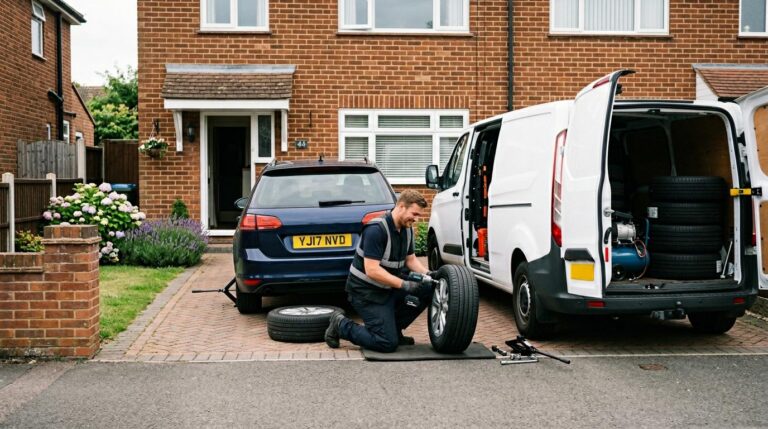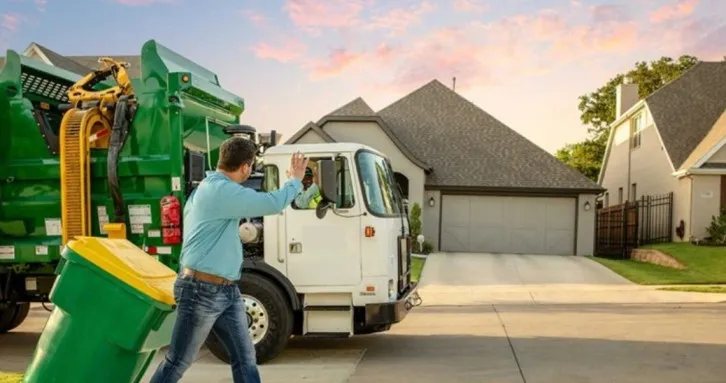
Using a council tip or household waste recycling centre is often cheaper if you have a suitable vehicle, a small amount of rubbish and time to transport it yourself. However, hire rubbish removal service can be more convenient and better value when you have bulky furniture, heavy waste or several items to clear, as collection, loading and transport can be handled for you. The cheapest option depends on the amount of rubbish, disposal fees, travel costs and the effort involved.
Step-by-Step Guide: How to Choose the Cheapest Rubbish Removal Option
Before deciding whether to visit a council tip or hire a rubbish removal service, consider what you need to dispose of, how much waste you have and how easily you can transport it. A little planning can help you avoid unnecessary costs and save time.
Step 1: Assess the Type and Amount of Rubbish
Start by identifying what needs to go. A few bags of general household rubbish will require a different approach from an old sofa, broken wardrobe or a garden full of green waste. Make a quick list of your items and separate them into categories:
- General household rubbish: Unwanted belongings, packaging and everyday clutter.
- Bulky furniture: Sofas, mattresses, wardrobes, tables and broken chairs.
- Garden waste: Branches, hedge cuttings, grass clippings and leaves.
- DIY waste: Old fixtures, timber, tiles and renovation debris.
A council recycling centre may be suitable for smaller loads if you can transport everything yourself. For larger clear-outs, a professional rubbish removal service may save you considerable effort.
Remember that not all waste types are accepted at every council facility. Check the relevant council’s rules before travelling.
Step 2: Calculate the True Cost of Using a Council Tip
A council tip may offer a low-cost or free disposal option for eligible household waste, but you should check the rules for your local facility rather than assume every item is accepted free of charge.
Consider the following expenses and practical requirements:
- Transport: Do you already own a suitable car or van, or would you need to hire one?
- Fuel: Include the cost of travelling to the recycling centre and returning home.
- Time: Account for loading, driving, unloading and any queues.
- Access requirements: Some centres require advance bookings, proof of address or vehicle registration details.
- Waste restrictions: DIY waste, electrical items and certain bulky materials may have specific limits or charges.
For example, if you are clearing a flat in Morden and only have a few bags of unwanted belongings, using an available vehicle to visit an appropriate council facility may be economical. If you need to remove a heavy sofa from an upstairs flat, the extra transport and lifting involved could make a collection service more practical.
Step 3: Compare the Cost of Hire Rubbish Removal
A professional rubbish removal service collects waste from your property and arranges its disposal through appropriate channels. Depending on the provider and service agreed, the price may include loading, transport and disposal charges. When requesting a quotation, ask what is included and whether any additional fees could apply.
Check these points before booking:
- Volume of rubbish: Is the price based on the amount of space your items occupy?
- Type of waste: Are there additional charges for particular materials?
- Loading assistance: Will the team collect items from inside your property, or must everything be placed outside?
- Access: Could stairs, narrow hallways, long carrying distances or restricted parking affect the price?
- Disposal: Does the service include lawful disposal at an appropriate facility?
- Insurance: Is the provider appropriately insured for the work being undertaken?
A rubbish removal service can be particularly useful when you have no suitable vehicle, live in a flat without easy access or need several bulky items taken away in one visit.
Always request a clear quotation before agreeing to the work. The cheapest advertised price may not cover all the services you require.
Step 4: Decide Whether Convenience Is Worth the Cost
Price is important, but it is not the only consideration. Think about how much work you can realistically do yourself. A council tip visit involves lifting and carrying rubbish, securing the load, travelling to the facility and unloading everything. This can be manageable for a small load, but a substantial house or garden clearance may take several trips.
Hiring rubbish removal can reduce the physical effort and free up your time for other jobs. This can be especially helpful for tenants preparing to move out, landlords arranging a property turnaround or homeowners clearing a garage. For example, if you are preparing a property in Wimbledon for new tenants, removing unwanted furniture, packaging and general clutter in one collection may be more convenient than arranging several journeys.
However, confirm the collection scope beforehand. Some providers may not accept hazardous materials or certain specialist waste, so alternative arrangements might be needed.
Step 5: Check Your Local Council’s Rules Before Disposing of Waste
Before making a decision, check the household waste recycling centre guidance for the borough responsible for your address. Residents in Morden, Wimbledon, Sutton, Mitcham, New Malden, Surbiton and Cheam may be subject to different local arrangements depending on their exact address and the facility they intend to use.
Check whether you need to:
- Book a visit in advance.
- Bring proof of residency or identification.
- Register your vehicle or obtain a permit.
- Follow restrictions on vans, trailers or commercial vehicles.
- Separate recyclable materials or use designated disposal areas.
- Pay charges for particular types or quantities of waste.
Do not assume that a facility accepts every type of household waste or that a van can enter without prior permission. Checking beforehand can prevent a wasted journey.
Local Factors Affecting Rubbish Removal Costs South West London
The cheapest option can vary from one property to another. Flats, terraced houses and homes with limited parking can all present different challenges when removing unwanted items.
The following table summarises the main factors to consider.
| Factor | Using a Council Tip | Hiring Rubbish Removal |
|---|---|---|
| Small household loads | Often economical if disposal is permitted and transport is available | Convenient, but compare the minimum collection charge |
| Bulky furniture | Requires a suitable vehicle and enough space to load items safely | Useful when large items need collecting from the property |
| Heavy rubbish | You must arrange safe loading and transport yourself | Loading assistance may be available, depending on the quotation |
| Transport costs | Fuel or vehicle hire may increase the overall expense | Collection and transport may be included in the quoted price |
| Time required | Includes loading, travelling, queues and unloading | Can reduce the time and effort needed from you |
| Flats and narrow access | You still need to move rubbish to your vehicle | Ask whether collection from inside the property is included |
| Garden clearance | Check rules for green waste and other materials | Useful for consolidating an agreed quantity of garden waste |
| Disposal restrictions | Subject to the facility’s acceptance rules | Subject to the provider’s waste acceptance policy and legal requirements |
What About Parking and Property Access?
In South West London, parking restrictions, narrow streets and limited access can affect how easily rubbish is removed. Some properties in Wimbledon and Morden have restricted parking, while flats in Sutton or New Malden may have shared entrances, staircases or limited space for moving bulky furniture.
If you are requesting a collection, describe the access clearly. Let the provider know whether the rubbish is inside the house, in a rear garden, upstairs or already placed outside. Photographs can also help the provider understand the quantity and type of waste before preparing a quotation.
How Can You Keep Rubbish Removal Costs Down?
You can often reduce the overall cost by preparing properly before booking.
- Sort reusable items from rubbish and investigate suitable reuse or donation options.
- Separate waste according to the provider’s instructions.
- Group items together so the collection team can assess the load easily.
- Make sure the collection area is accessible.
- Ask for a quotation covering loading, transport and disposal.
- Avoid adding extra items after the price has been agreed without checking whether the cost will change.
Never burn rubbish, leave it on the pavement or use an unlicensed operator to avoid disposal costs. Fly-tipping can create environmental problems and may result in legal consequences.
Let Merton Handyman Van Handle It
Choosing between a council tip and a professional collection comes down to your budget, the quantity of waste and how much time and effort you can spare. A council facility can be a good option for a small load when you have suitable transport, while professional rubbish removal offers a practical alternative for bulky items, household clear-outs and garden waste.
Merton Handyman Van provides convenient, reliable rubbish removal and local property services across Morden (SM4), Wimbledon (SW19), Sutton (SM1/SM2), New Malden (KT3), Surbiton (KT5/KT6), Mitcham (CR4) and Cheam (SM3).